- Buy Now
- Contact Us

HINEX ST
(Complete Balanced Nutrition) Buy Now
 Buy Now

HINEX ST Plus
(Complete Nutrition with Prebiotic & Probiotic)
HINEX HP
(Advanced Protein Supplement)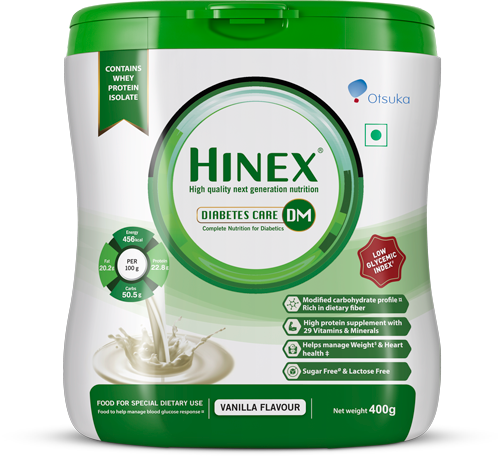
HINEX DM
(Complete Nutrition for Diabetics)
HINEX CHARGE
(Complete Nutrition)
HINEX CARE
(Complete Nutrition)

Meal Planning After Hospital Discharge: A Weekly Checklist for Caregivers

Coming home from the hospital is a relief, but it also brings new responsibilities. Caregivers are often left to manage meals, medicines and follow-ups with limited time. A simple weekly checklist can make food planning more organised and less stressful.
This article gives general information. The diet you follow after discharge depends on the person’s condition, medicines and treatment, so always follow the discharge advice from the doctor or dietitian. You may also like our article on nutrition after surgery or hospitalisation.
Why does meal planning matter after a hospital stay?
After an illness or a procedure, appetite, taste and energy can change. Eating may feel like an effort, and routines at home may be different from the hospital. Some people need softer foods or smaller meals, while others have specific restrictions, for example for diabetes, kidney or heart conditions. Planning ahead helps ensure that meals are regular and follow the care team’s instructions.
Before you start: collect the key information
Keep these with you, ideally in one folder:
- The discharge summary and diet instructions
- The list of medicines, with timings and whether they are taken with food
- Any foods or fluids to avoid or limit
- Any texture instructions (soft, minced, pureed), if given
- Contact details of the doctor, dietitian and hospital helpline
- Dates of follow-up visits and tests
If anything on the discharge papers is unclear, ask before leaving the hospital or call the care team afterwards.
Weekly checklist for caregivers
1. Plan the week
- Write down meals and snacks for each day, including times.
- Prefer simple, familiar home foods that the person is comfortable eating.
- Plan around medicine times.
- Note any dietary restrictions beside each day.
- Keep one or two easy backup meals (such as khichdi, dalia, curd rice or soup) if appetite is low.
2. Shop and stock
- Make a weekly shopping list from your meal plan.
- Check food labels for allowed ingredients, if restrictions apply.
- Buy fresh produce in quantities you can use within a few days.
- Keep the kitchen stocked with staples: pulses, rice or millets, milk or curd (if allowed), eggs (if allowed), vegetables.
3. Prepare safely
- Wash hands and surfaces before cooking.
- Cook food thoroughly and store leftovers in the refrigerator promptly.
- Reheat food until it is steaming hot and do not reheat more than once.
- Use clean utensils and drinking water.
- Label stored food with the date.
Food safety matters more when someone is recovering, so keep kitchen hygiene a priority.
4. Make eating easier
- Offer small, frequent meals instead of a few large ones, if advised.
- Make meals look appealing and serve them at a comfortable temperature.
- Let the person eat at a table or seated upright, if they can.
- Be patient. Appetite often returns gradually.
- Follow any texture instructions from the speech-language therapist or doctor.
5. Fluids
- Follow the fluid advice given by the doctor. Some conditions need fluid to be encouraged, others need it to be limited.
- Keep a bottle or glass within reach and measure the day’s intake if asked.
- Do not change fluid amounts on your own if there are heart or kidney concerns.
6. Track and note
- Keep a short daily note of what the person ate and drank.
- Record weight if the care team has asked for it, using the same scale and time of day.
- Note symptoms such as nausea, vomiting, diarrhoea, constipation, pain on eating or swallowing difficulty.
- Take this record to follow-up visits.
7. Review at the end of the week
- What was eaten well and what was left?
- Were there any difficulties with swallowing, taste or appetite?
- Do any questions need to go to the doctor or dietitian?
- Adjust next week’s plan.
When complete nutrition may be considered
Home-cooked food should remain the foundation of recovery meals. A healthcare professional may consider a complete nutrition formula when the person cannot meet nutritional requirements through regular meals alone, for example when appetite stays low, eating is difficult, or unplanned weight loss has been noticed. Whether one is suitable, and in what amount and at what time, should be decided with a doctor or qualified dietitian.
Questions to ask the doctor or dietitian
- Are there foods or fluids to avoid or limit?
- How much protein and how many calories does the person need each day?
- How should meals be timed with medicines?
- When should I be concerned about weight loss or poor appetite?
- Is a nutrition formula needed, and if so, which one and how should it be used?
- What signs mean I should contact you or go to the emergency department?
When to seek medical help
Contact the care team without waiting for the next appointment if the person:
- Cannot eat or drink for a day or more, or is vomiting repeatedly
- Has difficulty swallowing, coughing or choking while eating
- Shows signs of dehydration, such as very little urine, extreme thirst or dizziness
- Loses weight quickly or is clearly getting weaker
- Has new symptoms such as swelling, breathlessness, fever or severe pain
Frequently asked questions
How soon should a normal diet resume after discharge?
This depends on the condition and treatment. Follow the discharge instructions and ask the doctor or dietitian.
What if the person has no appetite?
Offer small, frequent meals of preferred foods and tell the care team if poor appetite continues.
Can caregivers give home remedies or herbal products?
Please check with the doctor first, as some products can interact with medicines or are unsuitable with certain conditions.
Is a caregiver allowed to change the diet plan?
Only the doctor or dietitian should change a medical diet. Share your observations and ask for changes.