- Buy Now
- Contact Us
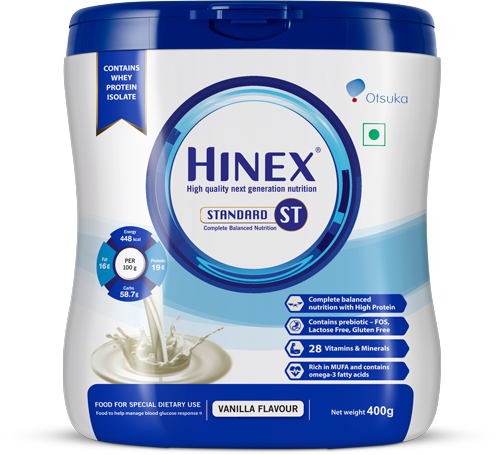
HINEX ST
(Complete Balanced Nutrition) Buy Now
 Buy Now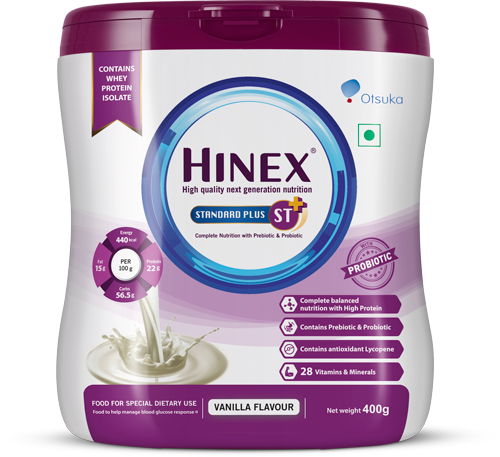
HINEX ST Plus
(Complete Nutrition with Prebiotic & Probiotic)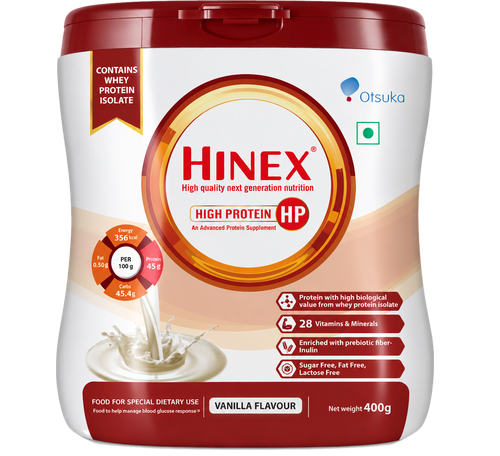
HINEX HP
(Advanced Protein Supplement)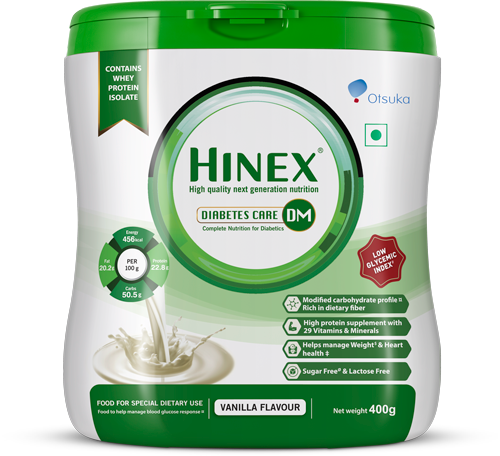
HINEX DM
(Complete Nutrition for Diabetics)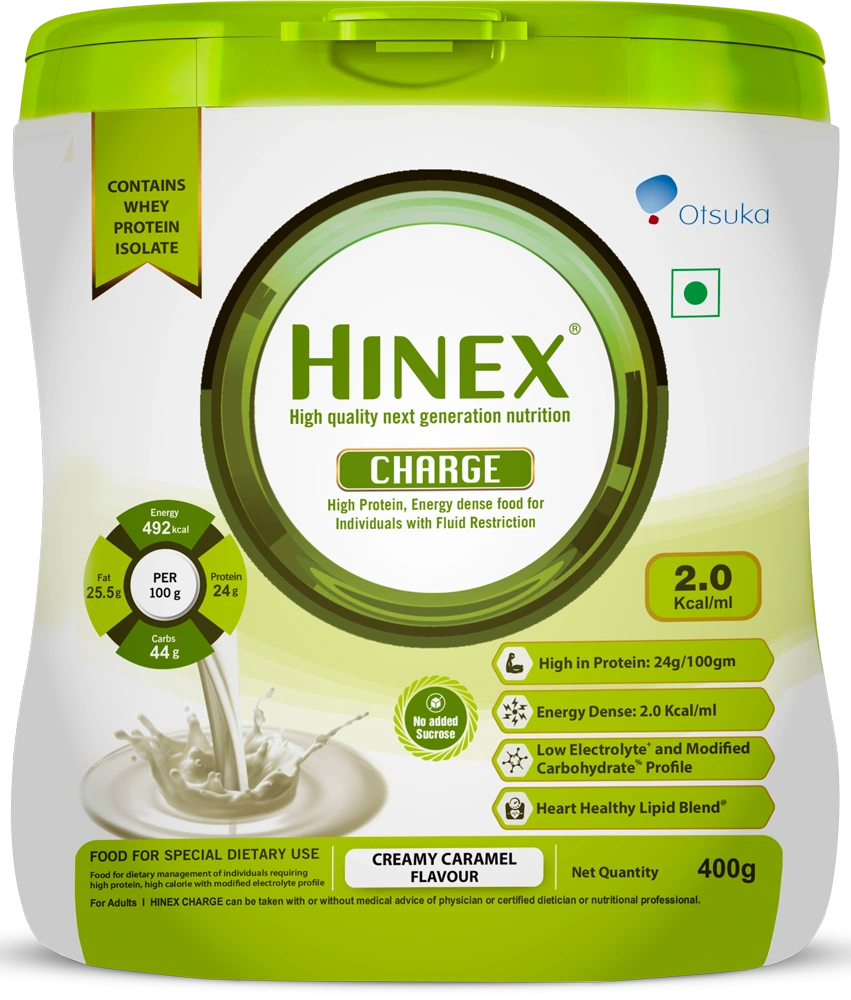
HINEX CHARGE
(Complete Nutrition)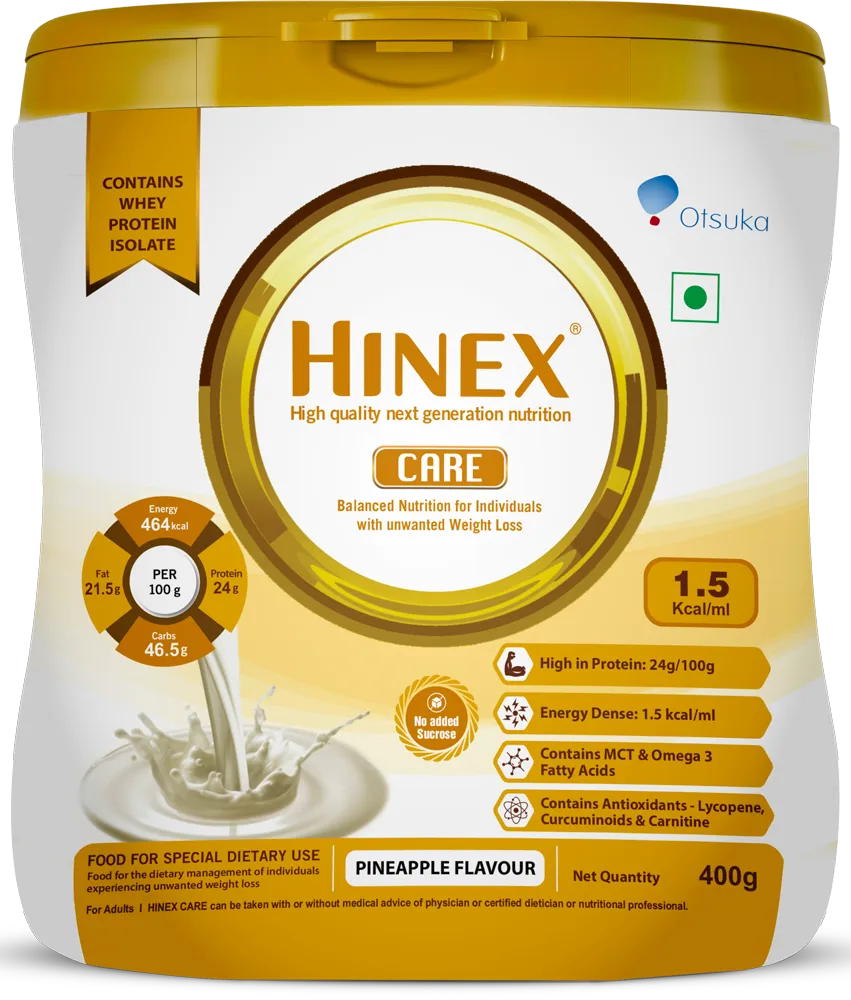
HINEX CARE
(Complete Nutrition)

Nutrition After Surgery or Hospitalisation: What to Consider When Appetite Is Low

Coming home after surgery or a hospital stay does not always bring an immediate return to normal eating. Food may taste different, familiar dishes may feel too heavy, and even a small meal can seem difficult to finish.
This is common, but it should not be ignored. The body still requires protein, calories, fluids, vitamins and minerals during recovery. The practical goal of nutrition after surgery is not to force large meals. It is to gradually rebuild intake using smaller, manageable foods that fit the patient’s medical condition and discharge instructions.
Why Can Appetite Reduce After Hospitalisation?
A poor appetite after surgery may have more than one cause:
- Nausea following anaesthesia
- Pain or discomfort
- Side effects of medicines
- Constipation
- Dry mouth or altered taste
- Difficulty chewing or swallowing
- Fatigue and limited mobility
- Anxiety, low mood or disrupted sleep
- Restrictions related to the type of surgery
- Feeling full after eating only a small amount
Abdominal, intestinal, mouth and throat procedures may require specific dietary stages. In such cases, the surgeon’s instructions take priority over general nutrition advice.
Persistent vomiting, increasing abdominal pain or swelling, difficulty swallowing, inability to keep fluids down, or signs of dehydration should be reported to the treating healthcare team.
Key Nutrients During Recovery
No single food provides everything the body requires. A practical recovery diet should gradually include different nutrient groups.
| Nutritional component | Why it matters | Practical food sources |
| Protein | Provides amino acids used for maintaining and repairing body tissues | Eggs, milk, curd, paneer, dal, beans, tofu, soy, fish and chicken |
| Calories | Provide energy for daily activity and normal body functions | Rice, roti, oats, potatoes, khichdi, dairy products, nut pastes and vegetable oils |
| Vitamins and minerals | Contribute to normal immune, blood, bone and tissue functions | Cooked vegetables, fruits, dairy foods, pulses, eggs and fortified foods |
| Fibre | Supports bowel regularity when appropriate and tolerated | Oats, fruits, vegetables, pulses and whole grains |
| Fluids | Help maintain hydration and normal body functions | Water, soups, milk, buttermilk and other permitted fluids |
Fibre and fluid recommendations can differ after bowel surgery, during fluid restriction or when swallowing is difficult. Patients should follow the plan provided at discharge.
How Much Protein Is Required?
Protein requirements are not identical for every patient. The appropriate amount depends on factors such as:
- Age and body weight
- Type and extent of surgery
- Existing nutritional status
- Kidney and liver function
- Presence of wounds or infection
- Normal food intake
- Other medical conditions
Avoid selecting an arbitrary high-protein target or using gym-based protein recommendations. A doctor or dietitian can estimate the patient’s actual requirement and advise how it should be distributed through the day.
A simple food-first approach is to include a protein source in each small meal. For example, add curd to soft rice, paneer to a vegetable dish, dal to khichdi, egg to toast, or shredded chicken to soup when these foods are permitted.
Returning to Regular Meals Gradually
Early oral feeding is generally preferred after many surgical procedures, but the timing and type of food depend on the operation and the patient’s condition. The European Society for Clinical Nutrition and Metabolism recommends adapting oral intake to individual tolerance and the type of surgery.
A gradual progression may look like this:
| Stage | Possible options | Important consideration |
| Clear or light fluids | Water, clear broth and prescribed oral fluids | Use only when advised; clear fluids provide limited nutrition |
| Nourishing liquids | Milk, smooth soup, thin porridge, lassi or prescribed nutrition drinks | Check sugar, lactose and fluid restrictions |
| Soft foods | Khichdi, curd rice, idli, porridge, mashed vegetables, soft egg, dal and paneer bhurji | Keep portions small and textures easy to manage |
| Regular balanced meals | Rice or roti with dal, vegetables and an appropriate protein source | Reintroduce foods gradually according to tolerance |
This is not a fixed timetable. Some people progress quickly, while others require a liquid, soft or low-fibre diet for longer. Foods should not be advanced without medical advice following gastrointestinal or swallowing-related surgery.
Practical Ways to Eat When Appetite Is Low
1. Replace Three Large Meals with Smaller Eating Times
Try a small meal or nourishing snack every two to three hours. A few spoonfuls eaten regularly may be more manageable than a full plate.
The Royal National Orthopaedic Hospital advises patients with a poor appetite to eat “little and often” and include high-energy or high-protein snacks between meals.
2. Eat When Appetite Is Strongest
Appetite may be better in the morning or after pain and nausea are controlled. Use that period for the most substantial meal rather than waiting for a traditional lunch or dinner time.
3. Prioritise the Most Nourishing Part of the Meal
When the full portion cannot be finished, begin with the protein and energy-containing foods. Vegetables and other foods remain important, but filling up on broth, tea or a large raw salad may leave little room for protein and calories.
4. Make Small Portions More Nourishing
Where medically appropriate, increase the nutritional value without increasing the volume too much:
- Prepare porridge with milk instead of water.
- Add curd or paneer to soft rice dishes.
- Add ground nuts or nut butter to porridge or smoothies.
- Enrich soup with lentils, milk, tofu, egg or shredded chicken.
- Add a small quantity of oil, ghee or cheese if permitted.
- Combine fruit with curd rather than eating fruit alone.
Patients with diabetes, kidney disease, fat restrictions or food allergies should confirm these additions with their healthcare professional.
5. Avoid Filling Up on Drinks Before Meals
If there is no prescribed fluid restriction, take most fluids between meals instead of immediately before eating. This may make it easier to finish a small meal. Continue meeting the fluid target advised by the medical team.
6. Reduce the Work Involved in Eating
Fatigue can make preparation and eating feel burdensome. Caregivers can help by:
- Preparing small portions in advance
- Keeping simple snacks readily available
- Serving food in smaller bowls
- Offering one or two choices rather than a large menu
- Reheating only the quantity likely to be eaten
- Creating a quiet, comfortable eating space
Easy-to-Consume Indian Food Options
| If the patient prefers | Options that may be easier to manage |
| Soft vegetarian foods | Moong dal khichdi, curd rice, soft idli, dalia, mashed vegetables, paneer bhurji and tofu |
| Soft non-vegetarian foods | Scrambled egg, egg custard, soft fish, finely shredded chicken and chicken soup |
| Nourishing snacks | Curd, yoghurt, cheese, banana with nut butter, milk pudding and soft paneer |
| Liquid or semi-solid foods | Smooth dal soup, milk, lassi, blended porridge and prescribed nutrition drinks |
| Bland options for nausea | Plain toast, rice, banana, soft potatoes, crackers and lightly seasoned porridge |
“Easy to consume” does not mean suitable after every operation. Texture, fibre, fat and fluid recommendations should be adjusted to the procedure and symptoms.
Where Do Vitamins and Minerals Fit In?
Vitamins and minerals contribute to normal body functions, but taking multiple tablets without an identified need is not necessarily helpful.
Begin with a varied diet as tolerated. Include cooked vegetables, fruit, dairy or suitable alternatives, pulses and other permitted foods. A clinician may recommend a specific supplement if dietary intake remains limited or a deficiency is suspected.
Patients should inform their doctor about every vitamin, mineral or herbal supplement they use. Some products may interact with medicines or may not be appropriate before or after certain procedures.
When May Complete Nutrition Be Considered?
Food should remain the first option whenever the patient can eat enough safely. However, a healthcare professional may consider complete nutrition when:
- Appetite remains poor
- The patient consistently eats only small portions
- Regular meals do not provide adequate protein and calories
- Chewing or swallowing makes normal food difficult
- The patient has increased nutritional requirements
- Unplanned weight loss or nutritional risk has been identified
A nutritional supplement for recovery should be selected according to the patient’s complete medical and dietary requirements—not simply by choosing the product with the highest protein content.
HINEX ST is a complete and balanced nutrition formula containing a triple blend of casein, whey protein isolate and soy protein isolate, along with 28 vitamins and minerals. Depending on assessed nutritional needs, it may be used as a dietary supplement or as a sole source of nutrition under professional supervision.
This description refers to its nutritional composition and does not imply that the product treats a condition, accelerates recovery or is suitable for every patient.
Who Needs Individual Dietary Advice?
Professional guidance is especially important for people with:
- Diabetes
- Kidney or liver conditions
- Fluid or electrolyte restrictions
- Food allergies or intolerances
- Persistent nausea, vomiting or diarrhoea
- Difficulty chewing or swallowing
- Gastrointestinal surgery
- Significant or continuing weight loss
- Tube-feeding requirements
A dietitian can review usual intake, weight history, symptoms, medical restrictions and food preferences before recommending a practical plan.
A Simple Daily Checklist for Patients and Caregivers
Instead of concentrating only on portion size, review the following:
- Was something eaten every two to three hours?
- Did at least a few eating times include protein?
- Were the permitted fluids taken?
- Was nausea, pain or constipation interfering with food intake?
- Were prescribed dietary restrictions followed?
- Is the patient eating a little more, the same or less than the previous week?
- Has there been an unplanned change in body weight?
- Does the healthcare team need to be updated?
This record can give a doctor or dietitian more useful information than simply saying that the patient is “not eating well.”
When Should Medical Advice Be Sought?
Contact the treating team if the patient:
- Cannot keep food or fluids down
- Has repeated vomiting or diarrhoea
- Develops worsening abdominal pain or swelling
- Has new difficulty swallowing
- Shows signs of dehydration
- Becomes unusually weak or confused
- Continues losing weight
- Has an appetite that does not begin to improve
- Is unable to follow the prescribed postoperative diet
Making Recovery Nutrition More Manageable
Low appetite after surgery or hospitalisation is not always solved by serving a larger plate. Smaller meals, familiar foods, suitable textures and regular eating opportunities are usually more manageable.
Nutrition after surgery should be individual, gradual and practical. Begin with permitted foods, include sources of protein and energy throughout the day, and seek professional support when regular meals remain insufficient. Always follow the instructions provided by the surgeon, physician or dietitian, as dietary needs depend on the procedure and the patient’s overall condition.