- Buy Now
- Contact Us
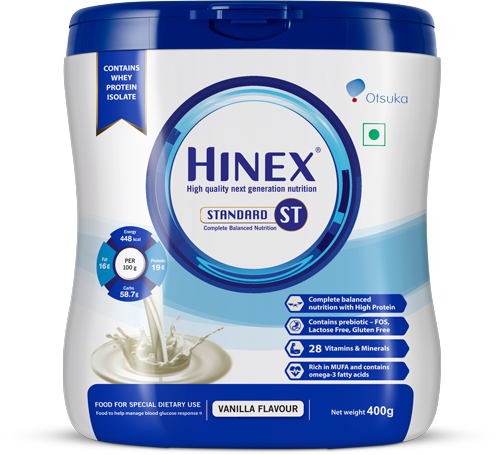
HINEX ST
(Complete Balanced Nutrition) Buy Now
 Buy Now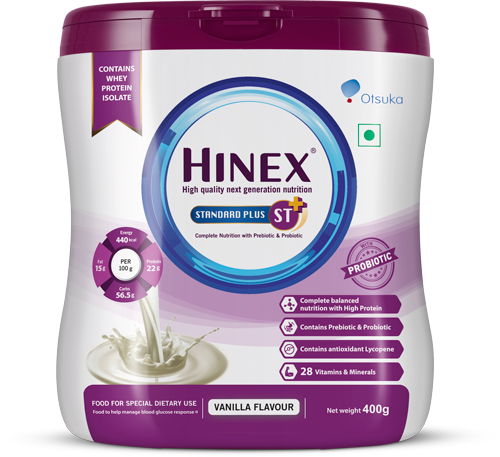
HINEX ST Plus
(Complete Nutrition with Prebiotic & Probiotic)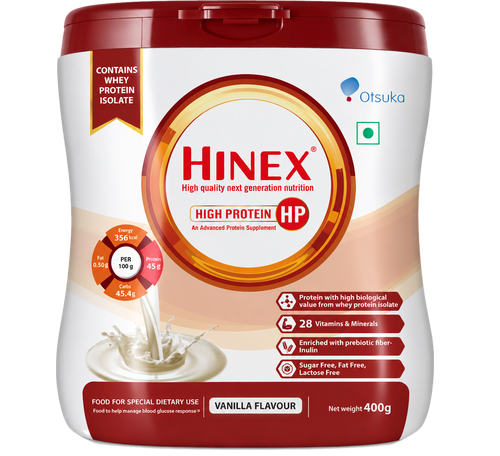
HINEX HP
(Advanced Protein Supplement)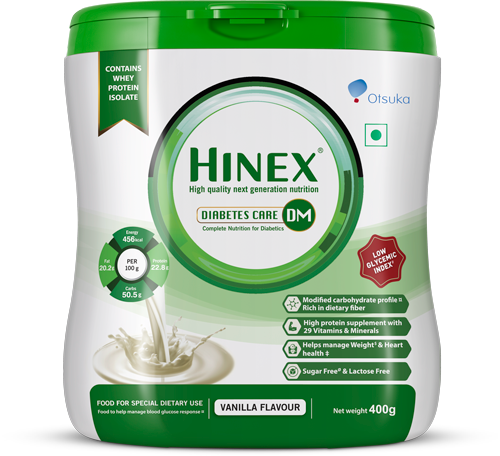
HINEX DM
(Complete Nutrition for Diabetics)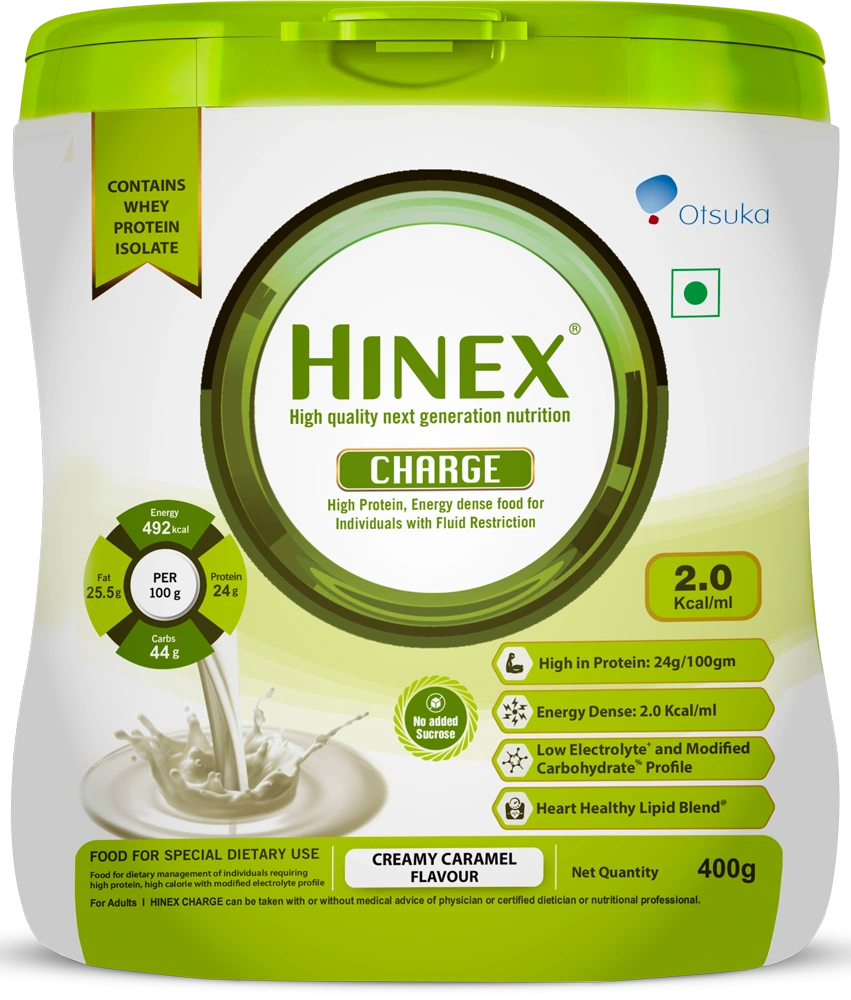
HINEX CHARGE
(Complete Nutrition)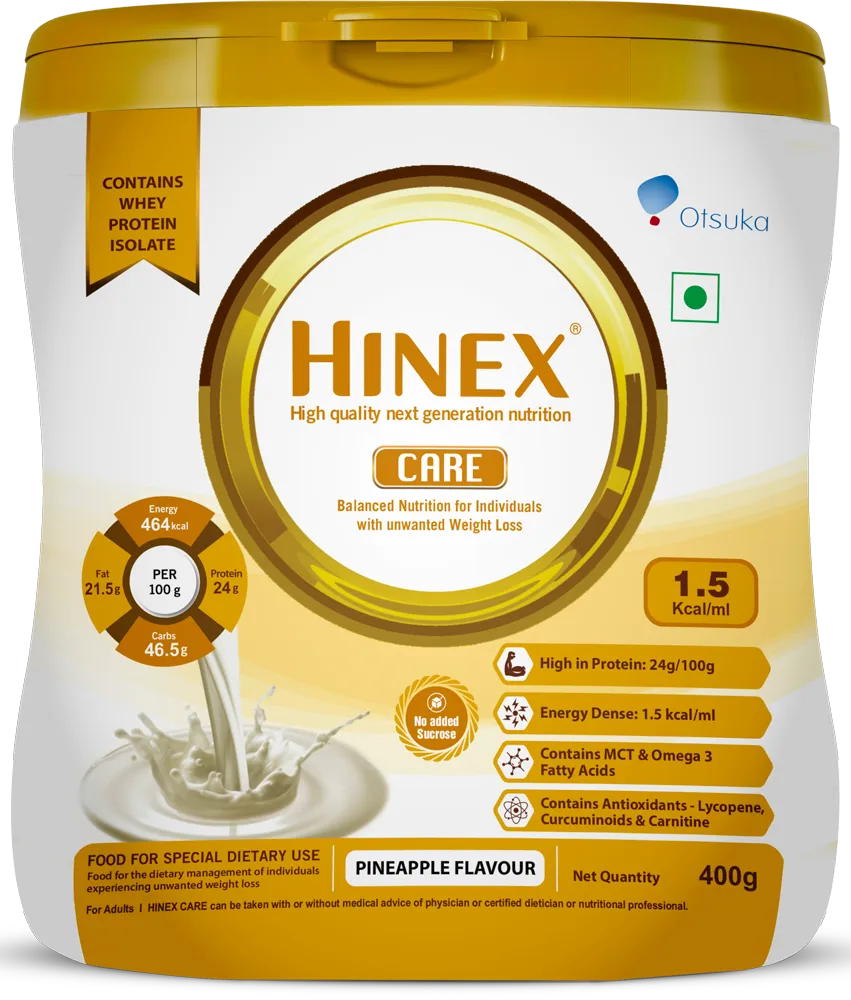
HINEX CARE
(Complete Nutrition)

Low GI Foods for Diabetes: Practical Choices for an Indian Diet
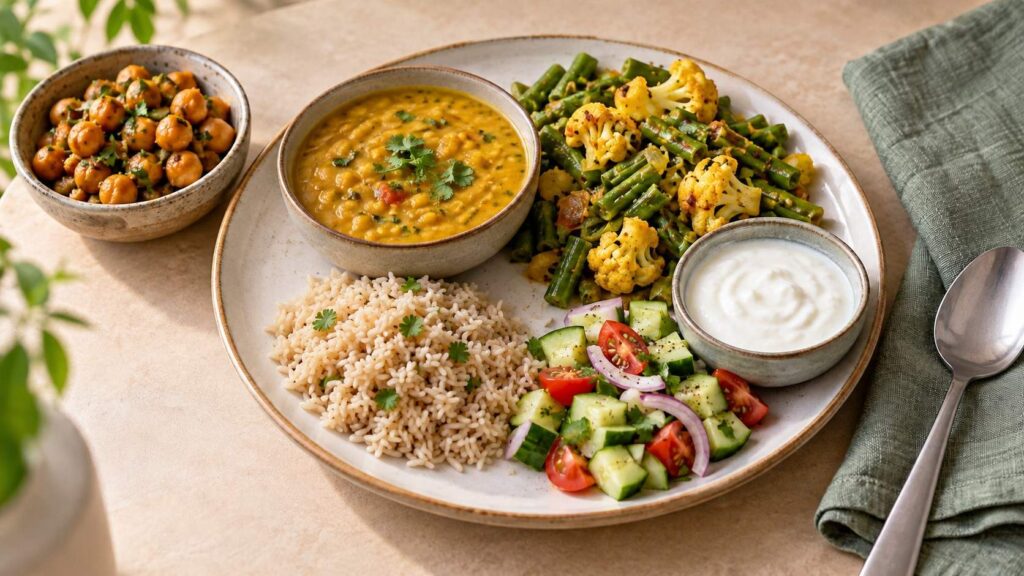
Managing diabetes does not mean giving up every familiar food. Rice, roti, dal and fruit can all have a place in an individual meal plan. What matters is the type of food, the amount you eat and how the complete meal fits your nutritional needs.
Low glycemic index (GI) foods generally produce a slower blood glucose response than higher-GI foods when compared using the same amount of available carbohydrate. Choosing them can be useful, but GI is only one part of diabetes meal planning. Portion size, total carbohydrate and overall nutritional quality also matter.
What does low GI mean?
The glycemic index ranks carbohydrate-containing foods according to their effect on blood glucose compared with a reference food, usually glucose.
Foods are commonly grouped into three categories:
| GI category | GI value |
| Low | 55 or below |
| Medium | 56–69 |
| High | 70 or above |
GI is a guide, rather than a prediction of exactly how your blood glucose will respond. Food variety, processing, cooking and the other ingredients in a meal can influence the response.
For example, a finely milled cereal prepared as a soft porridge may behave differently from a less processed version of the same grain. This is why every dish made from a particular ingredient should not automatically receive the same GI label.
GI versus glycemic load: What is the difference?
GI describes the blood glucose response to a fixed amount of carbohydrate. Glycemic load (GL) also considers how much available carbohydrate is in the portion you eat.
This distinction helps explain why serving size matters. A large serving of a low-GI food can still provide a substantial amount of carbohydrate.
You do not need to calculate GL for every meal. A practical approach is to consider both carbohydrate quality and quantity. Diabetes UK explains that the total carbohydrate consumed has a major effect on blood glucose after eating in its guide to carbohydrates and diabetes.
Which foods can support a lower-GI Indian eating pattern?
Several familiar foods can help you build meals around less processed carbohydrates, pulses and fibre. However, an ingredient’s reputation does not guarantee that every preparation has a low GI.
| Food or food group | Practical Indian meal idea | What to remember |
| Lentils and beans | Dal, rajma or chana with vegetables | These generally have a low GI, but still contribute carbohydrate |
| Oats | Unsweetened oats with vegetables or plain curd | Less processed forms generally produce a slower response than highly processed instant varieties |
| Whole fruit | A portion of apple, orange or another preferred fruit | Choose whole fruit more often than juice; portions still matter |
| Unsweetened milk or curd | Plain curd alongside a meal | These contain carbohydrate; sweetened versions add more |
| Basmati rice | A measured serving with dal and vegetables | GI varies by variety and cooking method; avoid assuming unlimited portions are suitable |
These are food choices to discuss within your meal plan, rather than a fixed menu for everyone with diabetes.
Non-starchy vegetables, such as leafy greens, cauliflower and beans, can also add variety and fibre. Because many contain little available carbohydrate per usual serving, assigning them a GI number is often less useful than considering their place in the whole meal.
How to build balanced Indian meals
The aim is to improve familiar meals without turning every food choice into a calculation.
1. Check the carbohydrate portion
Rice, roti, potatoes and pulses all contribute carbohydrate, although in different amounts. A meal containing several carbohydrate sources may provide more than expected.
Instead of judging a food only as “good” or “bad,” look at your usual serving. The appropriate amount depends on your activity, medication, health goals and individual needs.
2. Include a suitable protein source
Dal, tofu, paneer, eggs, fish or chicken can contribute protein and help make meals nutritionally balanced.
Remember that foods can provide more than one nutrient. Dal and beans contain both protein and carbohydrate, so they should still be considered when planning carbohydrate intake.
3. Make room for vegetables
Add non-starchy vegetables alongside your rice or roti rather than relying mainly on the starchy portion of the meal.
For example, a lunch of rice, dal and vegetables offers more variety than a large plate of rice alone. The rice portion still needs to fit your individual plan.
4. Prefer less processed choices where practical
Choose unsweetened foods and less processed grains more often. Check packaged cereals and drinks for added sugar and serving size.
You do not need to replace every traditional dish. Small changes that you can maintain are more useful than a restrictive plan that is difficult to follow.
Are brown rice, millets and whole-wheat roti always low GI?
No. “Wholegrain” and “low GI” do not mean the same thing.
Wholegrains can contribute fibre and other nutrients, but their GI varies. Millet dishes differ according to the grain used, how finely it is milled and how it is prepared. Roti also varies with flour composition, thickness and preparation.
Similarly, brown rice is not automatically low GI in every variety. Consider the portion and complete meal rather than relying only on the name of the grain.
Common mistakes when choosing low GI foods
- Eating large portions because a food is low GI. The carbohydrate quantity still matters.
- Assuming “sugar-free” means carbohydrate-free. A food can contain starch or other carbohydrates without added sugar.
- Treating every millet or wholegrain product as low GI. Processing and preparation can change its characteristics.
- Judging nutritional quality by GI alone. A lower GI does not automatically mean a food is balanced or suitable for frequent consumption.
If you monitor blood glucose, review your readings according to your healthcare team’s advice. They can help you understand how your usual meals fit your treatment plan.
Where does nutritional supplementation fit?
Everyday food should remain the foundation of a balanced eating pattern. A nutritional supplement may be considered when there is an identified need, rather than simply because someone has diabetes.
HINEX DM is a diabetes-specific nutrition formula described in its product information as having a modified carbohydrate profile with low GI and low GL, alongside a triple blend of protein.
Its suitability, serving size and timing should be determined with a doctor or qualified dietitian. It is not a substitute for diabetes medication, and a low-GI formula can still contribute carbohydrate to the day’s intake.
Frequently asked questions
Can people with diabetes eat rice?
Yes, rice can fit into an individual diabetes meal plan. Variety, serving size and the foods eaten alongside it matter. Basmati may be a useful option, but its GI varies and portions still need attention.
Do I need to stop eating fruit?
Usually, there is no need to avoid all fruit. Whole fruit provides fibre and nutrients. Choose suitable portions and spread them across the day rather than eating a large quantity at once.
Does low GI mean low carbohydrate?
No. GI describes the response to carbohydrate, not how much carbohydrate a food contains. A low-GI food can still provide a significant amount in a large serving.
Are millets always better than rice for blood glucose?
Not necessarily. The type of millet, processing, recipe and portion all matter. A millet-based dish should not automatically be assumed to have a low GI.
Can a low-GI diet replace diabetes medicines?
No. Food choices support diabetes management alongside prescribed treatment. Discuss significant dietary changes with your healthcare team, especially if you use insulin or medicines that can cause low blood glucose.
Making changes that fit your routine
Start with your usual meals. Review portions, include vegetables and suitable protein foods, and choose less processed carbohydrate sources where possible.
A lower-GI eating pattern can be useful, but the most suitable plan is one that meets your nutritional needs, works with your treatment and is practical to maintain.