- Buy Now
- Contact Us
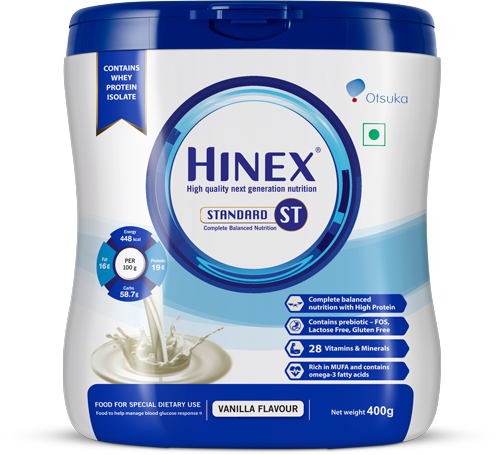
HINEX ST
(Complete Balanced Nutrition) Buy Now
 Buy Now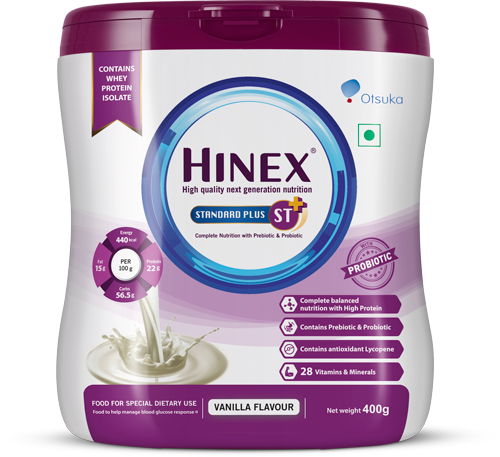
HINEX ST Plus
(Complete Nutrition with Prebiotic & Probiotic)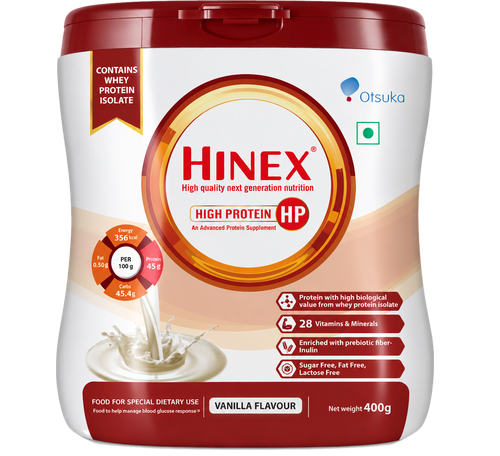
HINEX HP
(Advanced Protein Supplement)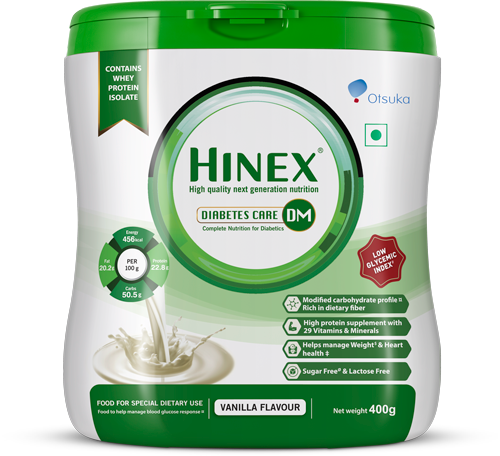
HINEX DM
(Complete Nutrition for Diabetics)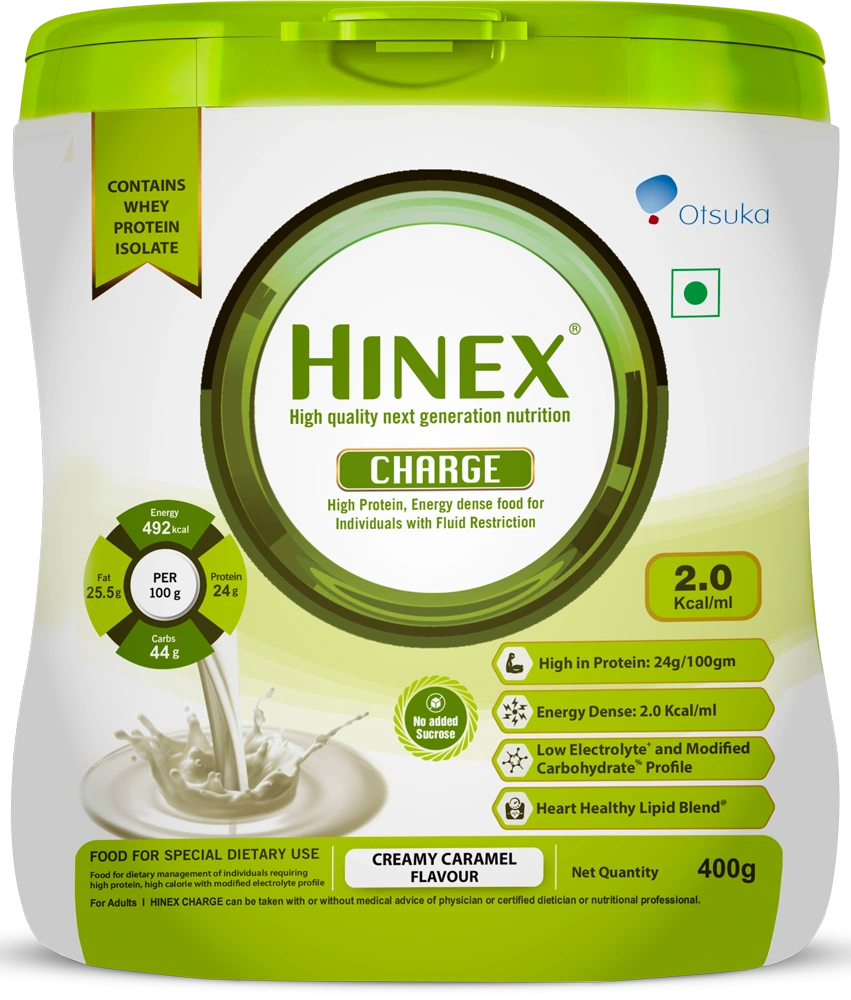
HINEX CHARGE
(Complete Nutrition)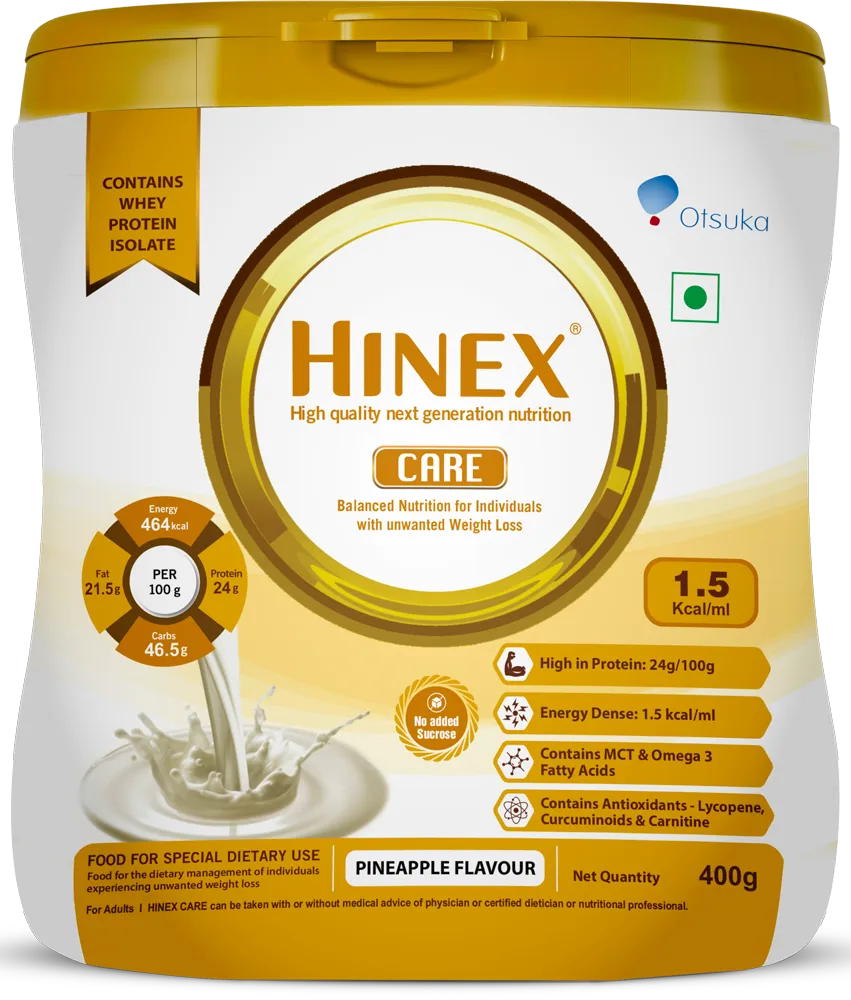
HINEX CARE
(Complete Nutrition)

How Much Protein Do Older Adults Need? A Practical Guide for Indian Families

Protein is often associated with athletes and gym-goers, but it is equally important during older adulthood. The body uses protein to maintain muscles, repair tissues, support immune function and carry out everyday physiological processes.
The challenge is that many older adults begin eating less. A reduced appetite, difficulty chewing, changes in taste, illness, medication, limited mobility or tiredness at mealtimes can make it harder to obtain adequate nutrition.
Understanding the role of protein for elderly adults can help families plan meals that are nourishing without making portions unnecessarily large.
Why Protein Matters More with Age
Muscle mass and strength tend to decline gradually as people grow older. Reduced physical activity, illness and insufficient food intake may accelerate this change.
Adequate protein, together with appropriate physical activity, can contribute to:
- Maintenance of muscle mass
- Normal tissue repair
- Immune function
- Recovery following illness or hospitalisation
- Strength needed for routine activities
- Overall nutritional intake
Protein is only one part of healthy ageing. Older adults also require sufficient calories, carbohydrates, healthy fats, fibre, vitamins, minerals and fluids.
How Much Protein May an Older Adult Need?
Protein requirements are not the same for everyone. Age, body weight, activity level, appetite, current health and medical conditions all influence the appropriate intake.
The National Council on Aging notes that adults aged 65 and above may generally aim for approximately 1 to 1.2 grams of protein per kilogram of body weight per day. This is general guidance rather than an individual prescription.
| Body weight | Approximate daily range at 1–1.2 g/kg |
| 50 kg | 50–60 g |
| 60 kg | 60–72 g |
| 70 kg | 70–84 g |
| 80 kg | 80–96 g |
These figures should not be applied automatically. An older adult with kidney disease, liver disease, diabetes or another medical condition may need a different amount. A doctor or qualified dietitian should determine the appropriate target.
Why Older Adults May Not Eat Enough Protein
Low protein intake is not always caused by a lack of suitable food. Everyday difficulties can reduce how much a person eats:
- Reduced appetite
- Difficulty chewing or swallowing
- Dental discomfort
- Changes in taste or smell
- Feeling full after a small quantity
- Tiredness while preparing or eating meals
- Digestive discomfort
- Illness or recovery after surgery
- Living alone and losing interest in cooking
- Dietary restrictions caused by a medical condition
Families should look at the person’s complete eating pattern rather than focusing on a single meal.
Practical Protein Sources for Indian Meals
Older adults do not necessarily need large portions. Small servings of protein-rich foods distributed across the day may be easier to manage.
| Time of day | Practical options |
| Breakfast | Eggs, milk, curd, paneer bhurji, besan chilla or soft moong dal chilla |
| Mid-morning | Curd, lassi without excessive sugar, milk or a small handful of nuts |
| Lunch | Dal, rajma, chana, paneer, fish, chicken or curd with rice and vegetables |
| Evening | Roasted chana, sprouts, milk, yogurt or a soft paneer snack |
| Dinner | Khichdi with additional dal, paneer, egg, fish, chicken or soft-cooked pulses |
The most appropriate choices depend on chewing ability, digestion, cultural preferences and medical restrictions.
How to Increase Protein When Appetite Is Low
Simply serving more food may not help someone who becomes full quickly. A better approach is to make smaller meals more nutritionally useful.
1. Offer Smaller Meals More Often
Five or six modest meals may feel more manageable than three large plates. Avoid pressuring the person to finish an oversized serving.
2. Include Protein in Each Meal
Instead of keeping most protein for lunch or dinner, include a suitable source at breakfast and snack time as well.
3. Improve Familiar Foods
Protein can be added to foods the person already enjoys. Depending on dietary suitability, families may add:
- Curd to soft rice dishes
- Paneer to vegetables or parathas
- Milk powder to porridge or soups
- Dal to khichdi
- Ground nuts or seeds to suitable recipes
- Egg to soft preparations
4. Choose Softer Textures
Soft paneer, curd, dal, egg, fish, porridge and well-cooked khichdi may be easier to consume than dry or tough foods.
Persistent difficulty swallowing, coughing during meals or food repeatedly getting stuck should be discussed with a healthcare professional.
5. Avoid Filling Up on Tea Before Meals
Tea, coffee or large amounts of water immediately before eating may reduce appetite in some people. Fluid intake should still follow the person’s medical advice, especially when fluid restriction is required.
6. Make Mealtimes Comfortable
Fatigue and loneliness can affect food intake. A calm eating environment, assistance with serving and company during meals may make eating less tiring.
Food First—But Look at the Whole Diet
Whenever possible, everyday foods should remain the foundation of nutrition. However, adding protein alone may not solve the problem if the person is also consuming too few calories.
When energy intake is inadequate, the body may use dietary protein as an energy source instead of using it primarily for tissue maintenance and repair. Meals should therefore include a suitable balance of protein, carbohydrates and fats.
Families should also monitor changes such as:
- Unintentional weight loss
- Looser-fitting clothes
- Increasing weakness
- Reduced ability to walk or perform daily activities
- Poor appetite lasting several days
- Slow recovery following illness
- Repeatedly leaving most meals unfinished
These signs do not confirm a nutritional deficiency, but they indicate that professional assessment may be helpful.
When Complete Nutrition May Be Considered
A healthcare professional may consider a complete nutrition formula when an older adult cannot meet nutritional requirements through regular meals alone.
HINEX ST is a complete balanced nutrition formula containing a triple blend of protein and 28 vitamins and minerals. According to the product information, it may be used as a dietary supplement or meal replacement depending on individual nutritional needs. It can be taken orally or used for tube feeding when professionally recommended.
These are characteristics of the formula, not a guarantee of a particular health outcome. Its suitability, serving size and frequency should be determined by a doctor or qualified dietitian, particularly for people with diabetes, kidney disease, food allergies or other medical conditions.
Questions to Ask a Doctor or Dietitian
Before making major dietary changes or introducing a nutrition supplement, families can ask:
- How much protein does the person require each day?
- Are calories also inadequate?
- Are any foods restricted because of a medical condition?
- Is the recent weight loss nutritionally significant?
- Would smaller meals or altered food textures help?
- Is a nutritional supplement required?
- What serving size and frequency would be appropriate?
- Could any medicines be affecting appetite?
A Practical Way Forward
Meeting protein needs in older adulthood is not about forcing large meals or following a fitness-oriented diet. It is about providing manageable portions, including protein throughout the day and noticing when declining appetite begins to affect overall food intake.
Start with familiar foods and make small improvements to regular meals. If appetite remains poor, weight is falling or everyday strength is declining, seek professional guidance. A personalised plan can take the person’s health, medications, preferences and complete nutritional needs into account.
This article is intended for general education and does not replace medical or dietary advice.