- Buy Now
- Contact Us
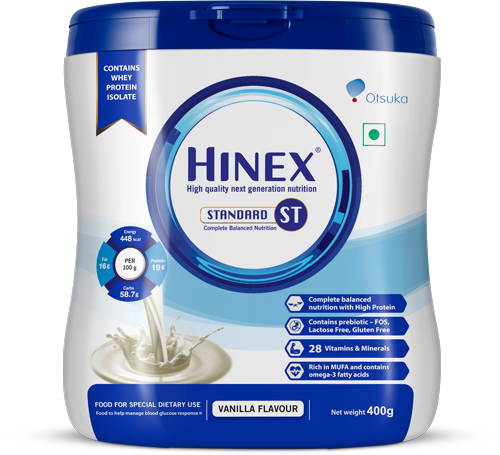
HINEX ST
(Complete Balanced Nutrition) Buy Now
 Buy Now
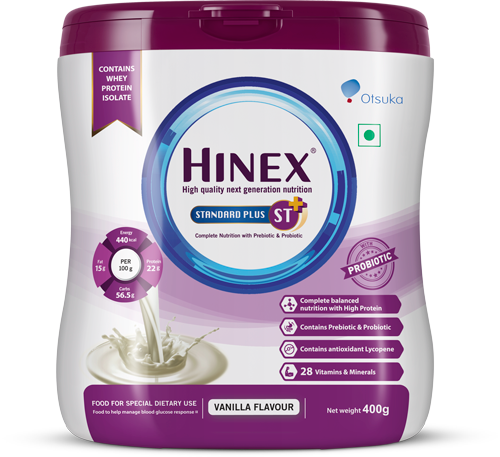
HINEX ST Plus
(Complete Nutrition with Prebiotic & Probiotic)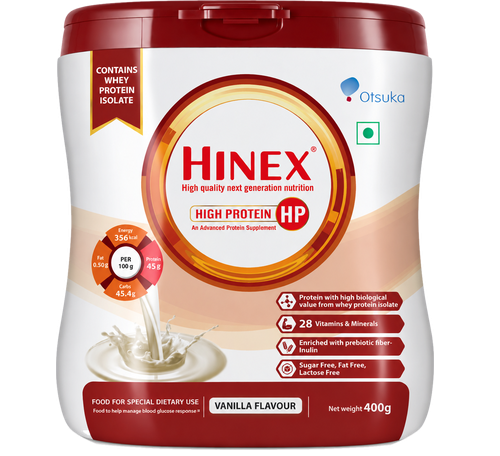
HINEX HP
(Advanced Protein Supplement)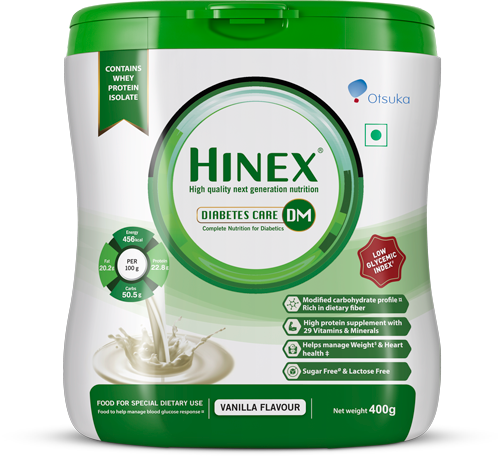
HINEX DM
(Complete Nutrition for Diabetics)
HINEX CHARGE
(Complete Nutrition)
HINEX CARE
(Complete Nutrition)

Festive Eating with Diabetes: Practical Planning for Diwali and Beyond
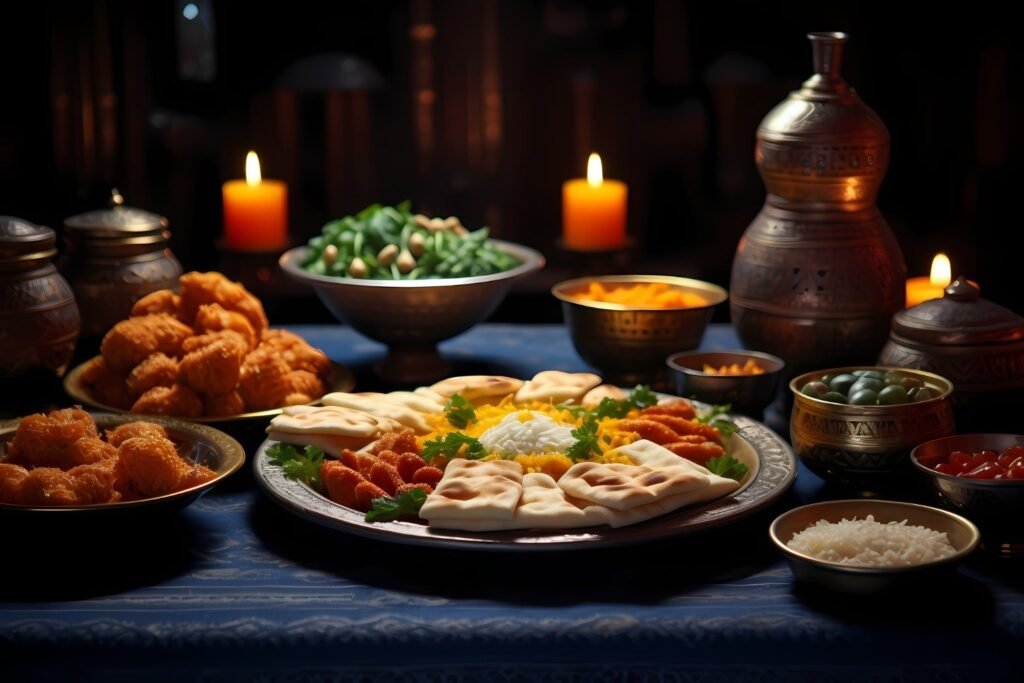
Festivals bring family gatherings, special dishes and plenty of sweets. For people living with diabetes, these days can also mean changes in meal timing, larger portions and more snacking than usual. A little planning beforehand can make festive meals easier to manage.
This article offers general, educational information. Diabetes care is personal, so the right approach for you depends on your health condition, medicines and your doctor’s advice.
Why do festivals make everyday eating routines harder?
During festivals, routines often change. Common reasons include:
- Meals shift later or are skipped because of visits and preparations.
- Snacks, sweets and fried foods are offered often, and refusing can feel awkward.
- Portion sizes are harder to judge at shared meals.
- Physical activity may reduce because of travel or hosting.
- Sleep timings may change.
Knowing these patterns in advance helps you decide what to do about them.
How can you plan your day around festive meals?
- Keep regular meal timings where possible. Long gaps followed by a large meal are a common pattern during festivals. Try to keep your usual routine of main meals and planned snacks.
- Do not arrive very hungry. Eating a planned, balanced meal or snack before a gathering may make it easier to choose portions thoughtfully.
- Follow your prescribed medicines and monitoring schedule. Do not change doses or timings on your own because of a festive meal. Ask your doctor in advance if you are unsure what to do on a feast day.
- Take your meal plan with you. If you follow a plan prepared by a dietitian, keep a copy handy.
What does a balanced festive plate look like?
Many dietitians use a simple “plate approach” as a starting point:
- About half the plate: non-starchy vegetables, such as salad, sautéed or steamed vegetables.
- About a quarter: protein foods, such as dal, paneer, curd, eggs, fish or chicken, depending on your diet.
- About a quarter: carbohydrate foods, such as roti, rice or millets.
Your dietitian may suggest different proportions for you. Treat this as a general starting point.
How can you approach festive sweets and snacks?
Sweets are part of the celebration for many families. General ideas to discuss with your dietitian include:
- Decide before the day whether you will have a sweet, and when. Planning helps more than deciding on the spot.
- Choose small portions. A small piece, eaten slowly, is easier to fit into a plan than several pieces.
- Pair thoughtfully. Some people have a sweet as part of a meal rather than on its own. Ask your dietitian what is suitable for you.
- Be aware of hidden sugars. Sweet drinks, packaged mithai, dry-fruit-based sweets and “sugar-free” labelled items can all still contain carbohydrates and energy. Read labels.
- Watch fried snacks. Namkeen, samosas, pakoras and similar foods are energy-dense, so portion size matters.
- Check “sugar-free” claims. Sugar-free does not always mean low in carbohydrate or energy. Ask your dietitian how to read these labels.
Where does nutritional supplementation fit?
Everyday food should remain the foundation of a balanced eating pattern, including on festival days. A nutrition formula may be considered when a doctor or dietitian has identified a need, rather than simply because someone has diabetes. Whether one is suitable, and in what amount and at what time, should be decided by your care team. Such a formula does not replace diabetes medication, and a low-GI formula can still contribute carbohydrate to the day’s intake.
What about drinks and hydration?
- Water is a common choice for everyday hydration. Carry it with you when visiting.
- Sweetened beverages, fruit juices, sherbets and festive drinks can add carbohydrates quickly. Check labels or ask your dietitian.
- If you have kidney or heart conditions with fluid advice, follow the limits given by your doctor.
Can you stay active during festivals?
A short walk after meals or light activity with family can be a simple way to stay active. Activity suited to you depends on your health, so check with your doctor before changing your routine, especially if you have other conditions.
What to do after a festive meal
- Return to your usual meal pattern at the next meal. Skipping meals to “make up” for a heavy day is generally not advised without medical guidance.
- Follow your usual monitoring schedule. If your readings concern you or you feel unwell, contact your doctor.
- Note what worked and what did not for the next celebration.
When should you speak to your doctor?
Contact your doctor or healthcare team if:
- You are unsure how to adjust your routine on festival days.
- You feel unwell, very thirsty, dizzy or unusually tired.
- You have questions about travelling with medicines or monitoring supplies.
Questions to ask your doctor or dietitian before a festival
- How should I time my meals and medicines on festival days?
- How many portions of sweets, if any, fit into my plan?
- Which festive foods should I be more careful with?
- Is a nutrition formula needed in my plan, and if so how should it be used?
- What symptoms mean I should call you?
Frequently asked questions
Can people with diabetes eat festive sweets?
This depends on the individual, their medicines and their overall plan. Many dietitians discuss portion size and timing rather than a blanket rule. Ask your own care team.
Are sugar-free sweets a safe option?
Not always. They may still contain carbohydrates, fats and energy. Check the label and ask your dietitian.
Should I fast during festivals?
If you are considering fasting, speak to your doctor first, particularly if you take medicines for diabetes.
What should I carry when travelling?
Carry your medicines, monitoring supplies, a prescription or doctor’s contact, water and a planned snack, as advised by your care team.